
The Unique Art of Kutchi Bell Making
Kutchi bell making is a centuries-old craft originating from the Kutch region of Gujarat, India. Known for its intricate artistry and unparalleled craftsmanship, these hand-forged metal bells are renowned for their distinct sweet sound and cultural significance. Here’s why this craft is so unique and special:
The Special Process of Kutchi Bell Making
1. Hand-Forging:
Kutchi bells are entirely handcrafted by artisans without using any modern machinery.
Sheets of scrap iron or metal are cut, hammered, and molded into a cylindrical or oval shape.
2. Metal Coating with Copper or Brass:
The shaped bell is coated with a layer of copper or brass for durability, aesthetics, and acoustics.
The coating also helps protect the bell from rust and weathering.
3. No Welding:
One of the most unique aspects is that the bells are made without any welding. Instead, the ends are tightly joined by hand, ensuring a seamless and robust structure.
4. Firing Process:
The coated bell is heated in a kiln, using natural materials like charcoal, to fuse the metal layers and enhance the acoustics.
5. Tuning and Finishing:
After firing, artisans attach a wooden striker or clapper to the bell’s interior.
The bell is then hand-tuned by hammering specific points to produce a distinct, melodious sound.
Each artisan uses their expertise to craft a bell with a unique tonal quality.
Why Is It a Unique Art Form?
1. Generational Knowledge:
The craft has been passed down through generations of artisans, making it a living tradition tied to the cultural identity of the Kutch region.
2. Distinct Sound:
Each bell produces a unique sound due to its handmade nature. The tuning process is intuitive, relying on the artisan’s experience, ensuring no two bells sound alike.
3. Sustainability:
Kutchi bell making uses recycled metal, contributing to environmental sustainability.
The firing process employs natural resources like charcoal, minimizing the ecological footprint.
4. Cultural Significance:
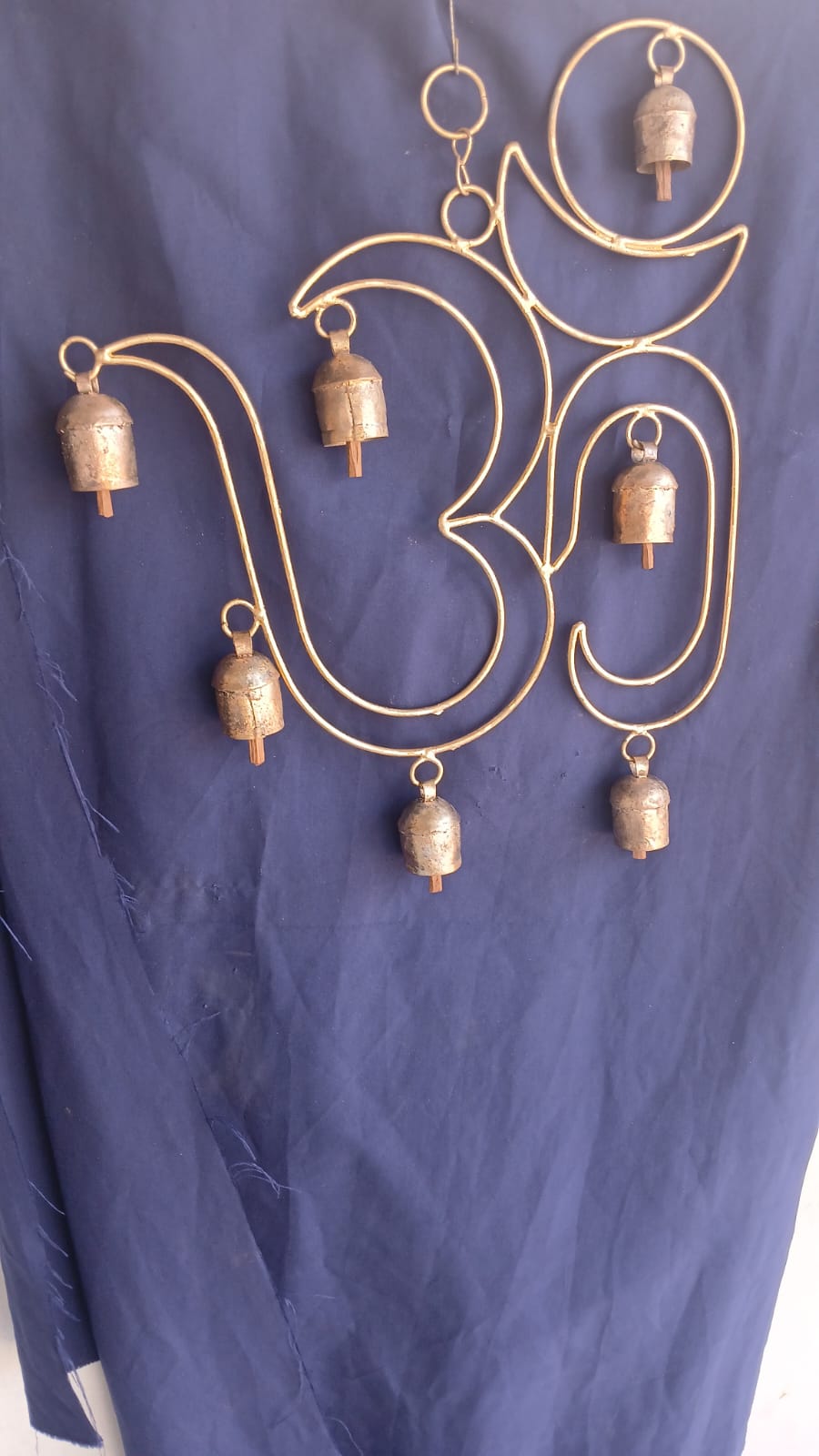
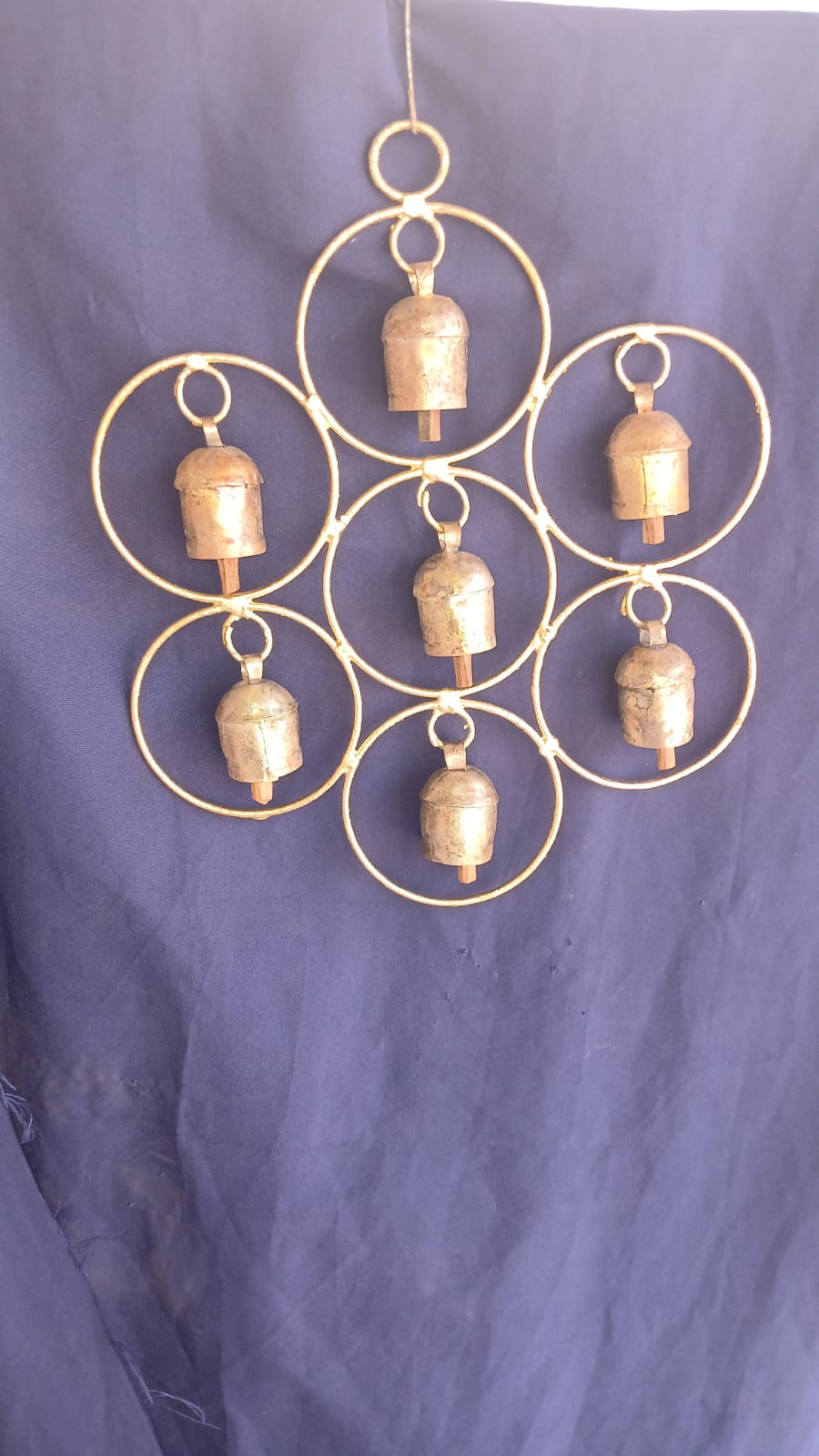
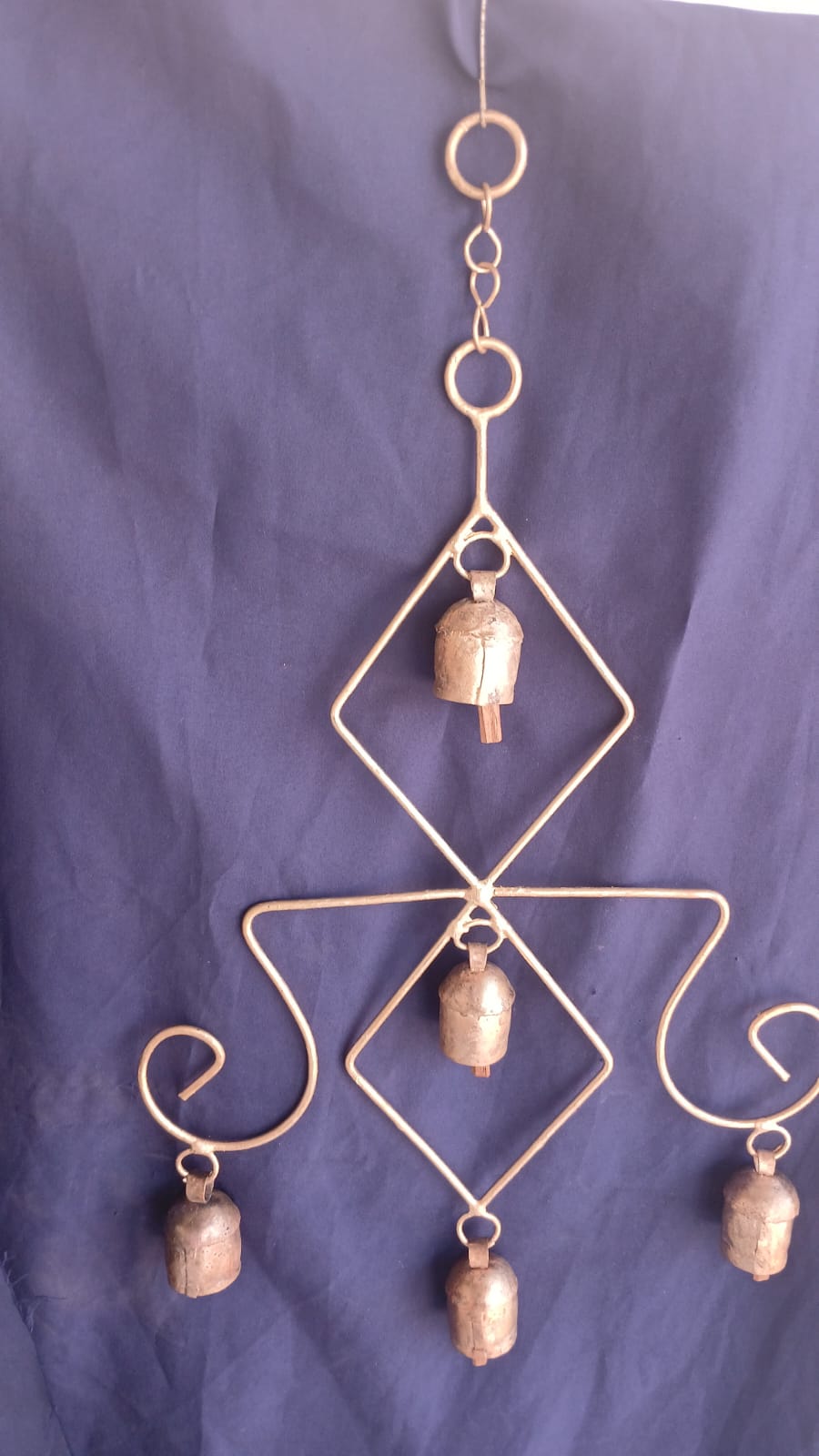
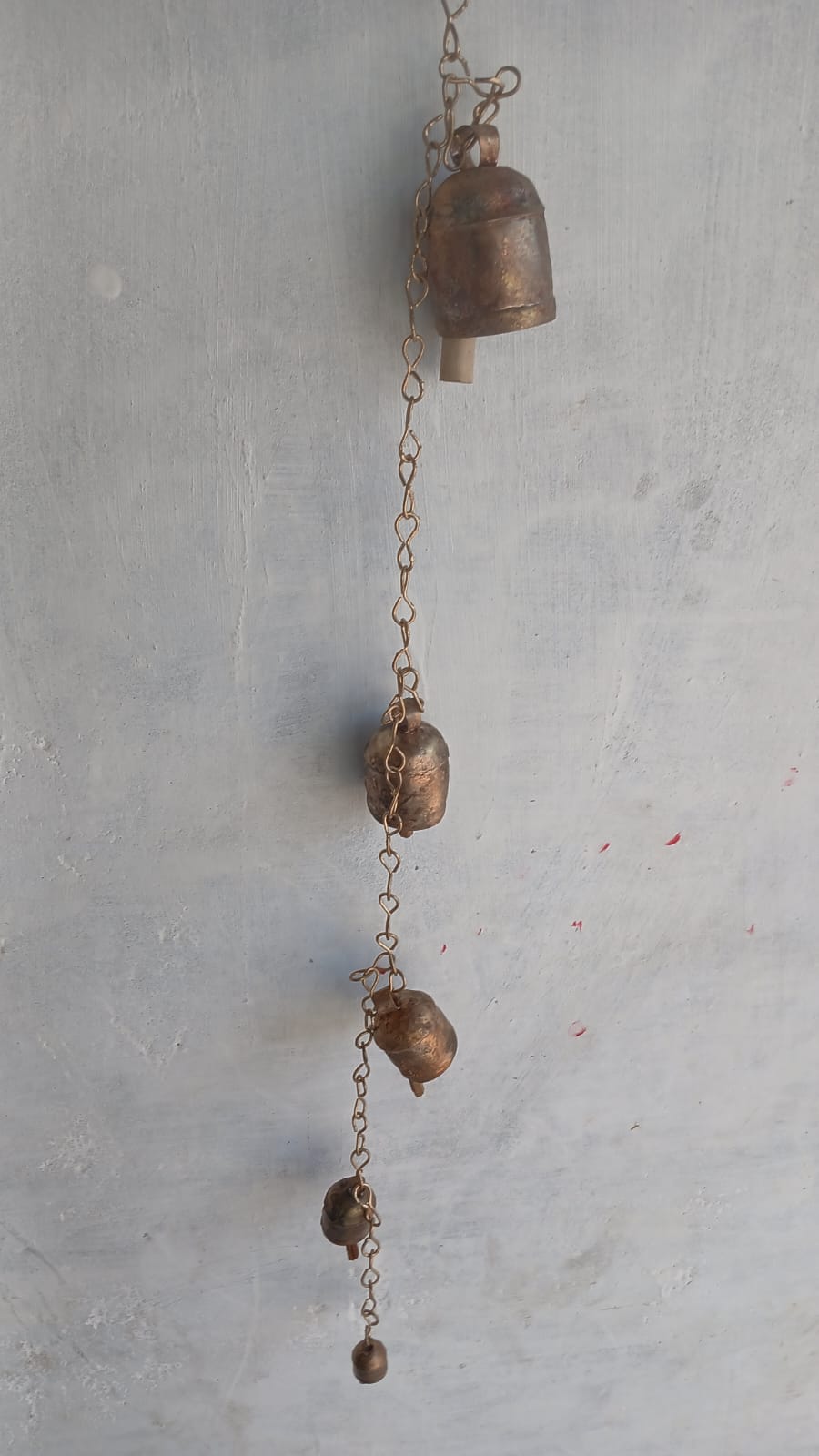
Traditionally used in cattle herding, where each bell’s distinct tone helped identify specific animals, these bells now serve decorative and spiritual purposes in homes and temples.
5. Artistic Appeal:
Each bell is a work of art, featuring unique patterns and designs created during the crafting process, showcasing the artisan’s skill.
How Do Handmade Bells Produce Distinct Sweet Sounds?
1. Metal Composition:
The combination of metals (iron, copper, brass) affects the bell’s resonance, contributing to its tonal uniqueness.
2. Shape and Size:
The shape and thickness of the metal determine the pitch and timbre of the sound. Larger bells produce deeper tones, while smaller bells emit higher-pitched sounds.
3. Tuning by Hammering:
Artisans manually hammer and adjust the bell’s surface to refine its sound. The angle and intensity of the strikes influence the bell’s resonance.
4. Clapper Design:
The wooden striker inside the bell is carefully chosen and shaped to produce a harmonious sound when it strikes the metal.
Is It Expensive?
Affordable Pricing:
While not excessively expensive, Kutchi bells are relatively affordable considering the effort, time, and skill involved in their creation.
Small decorative bells can cost a few hundred rupees, while larger or intricately designed bells may be priced higher.
Factors Affecting Cost:
The size, complexity of design, and sound quality influence the price.
Handmade bells are more valuable than mass-produced imitations, making them worth the investment.
Modern Uses of Kutchi Bells
1. Home Décor:
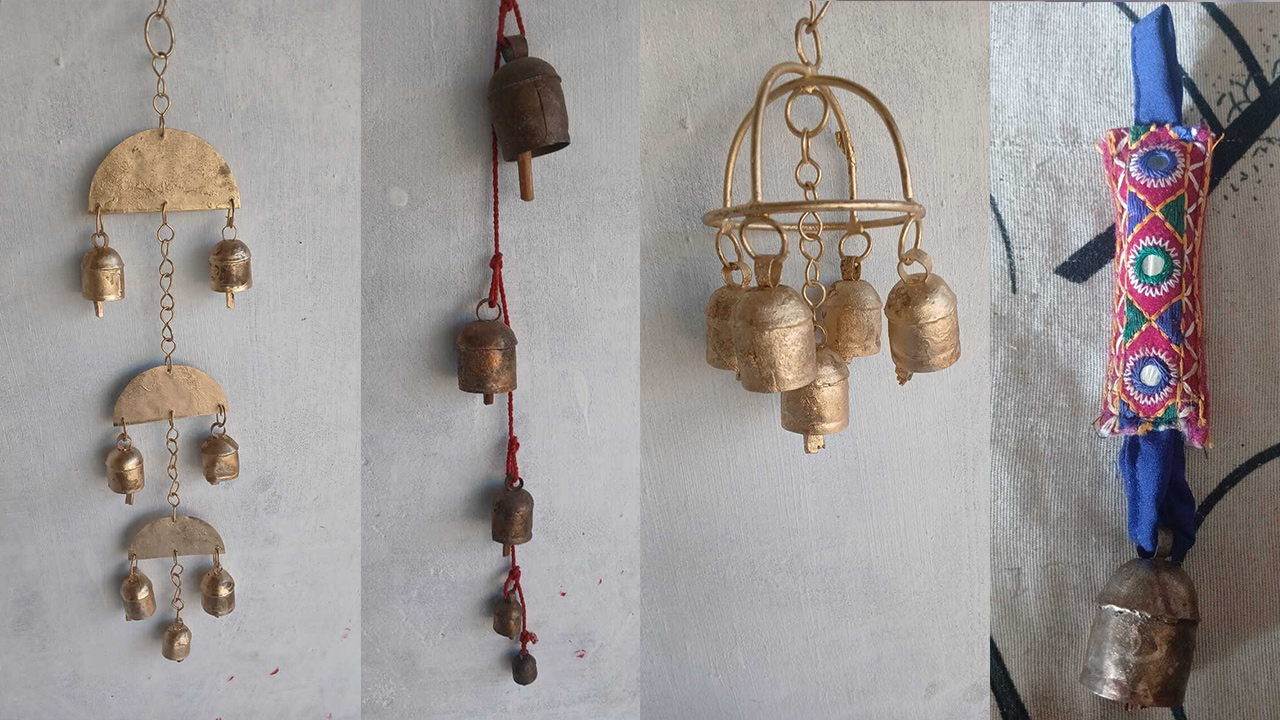
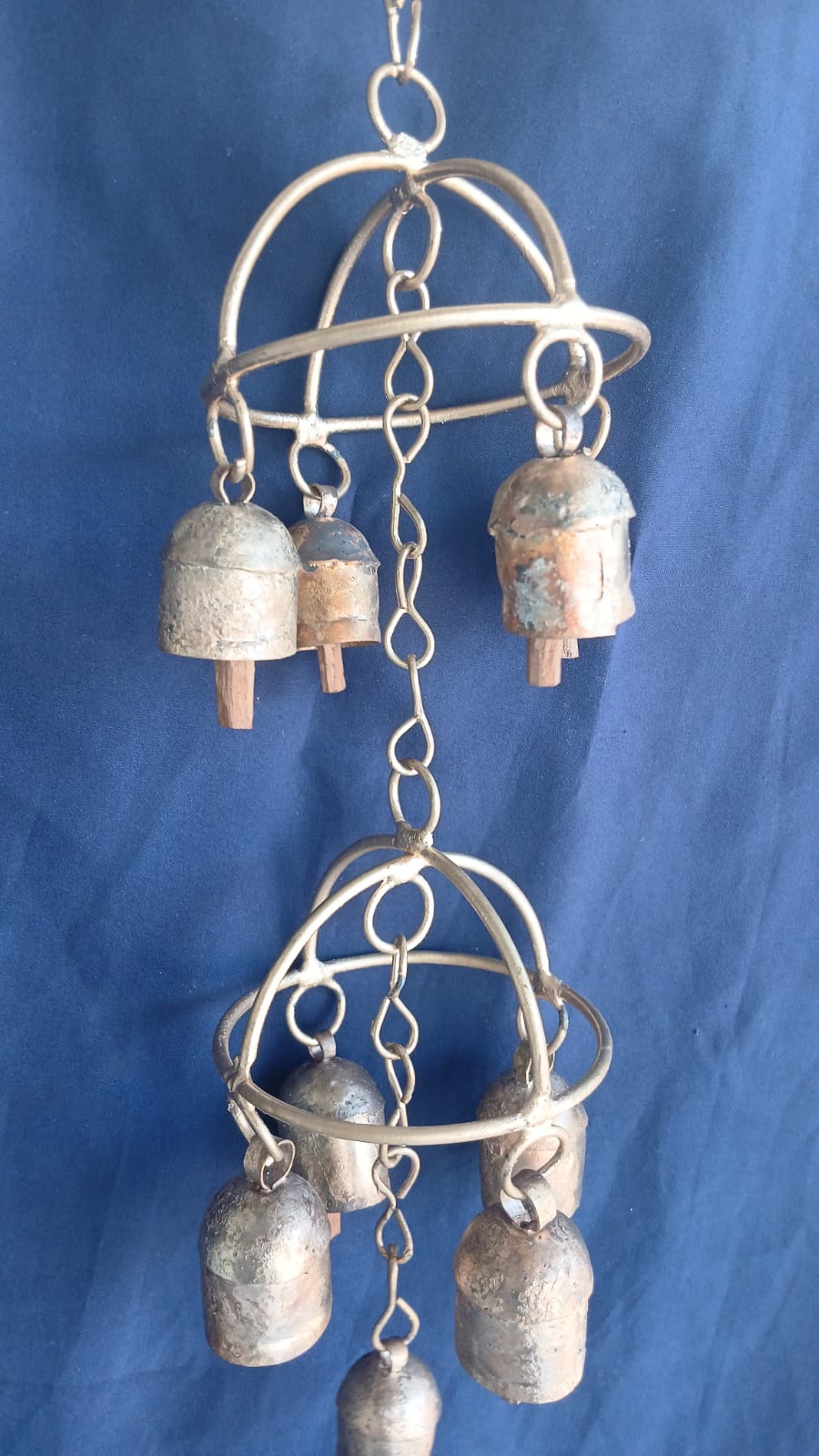
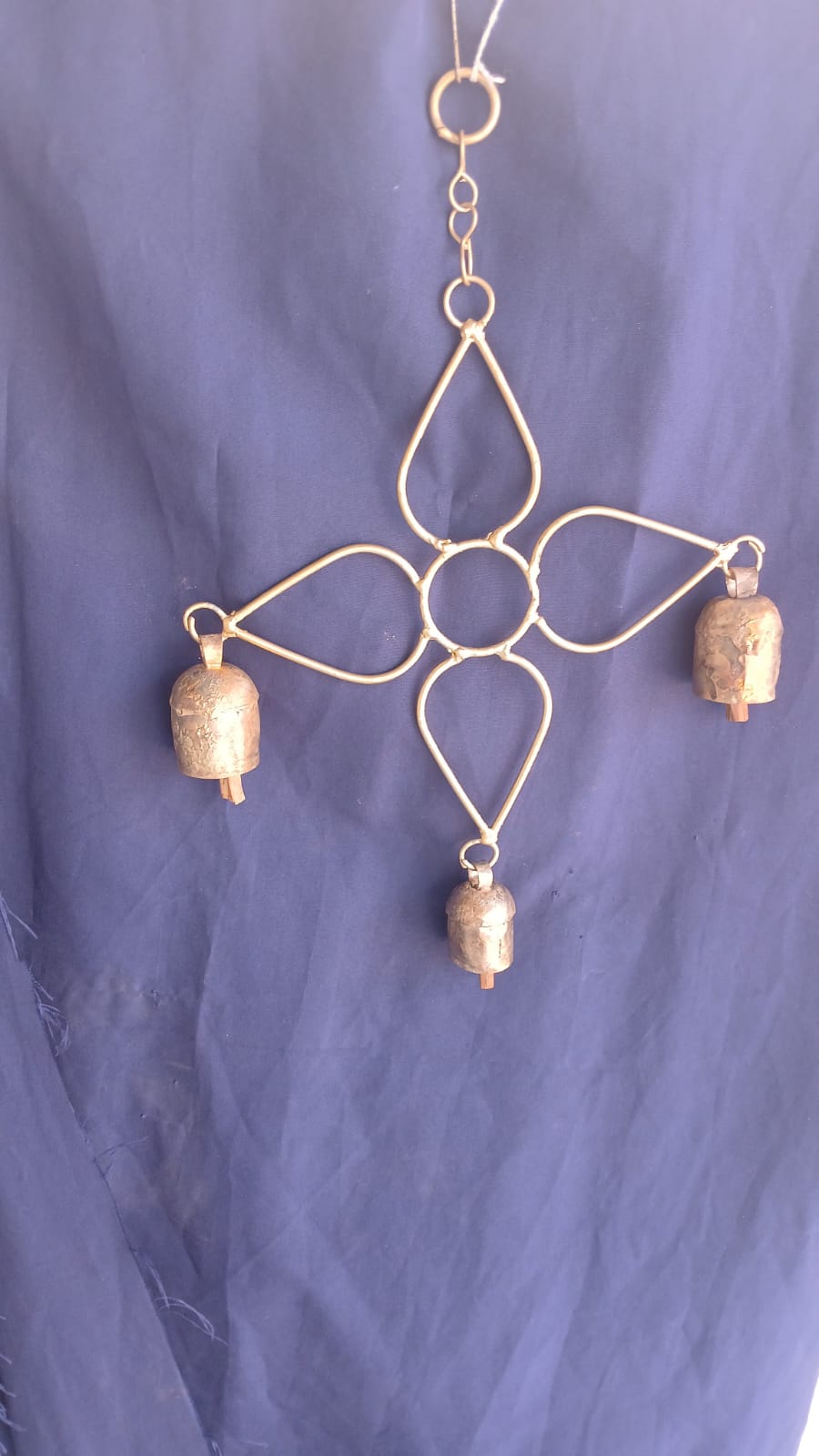
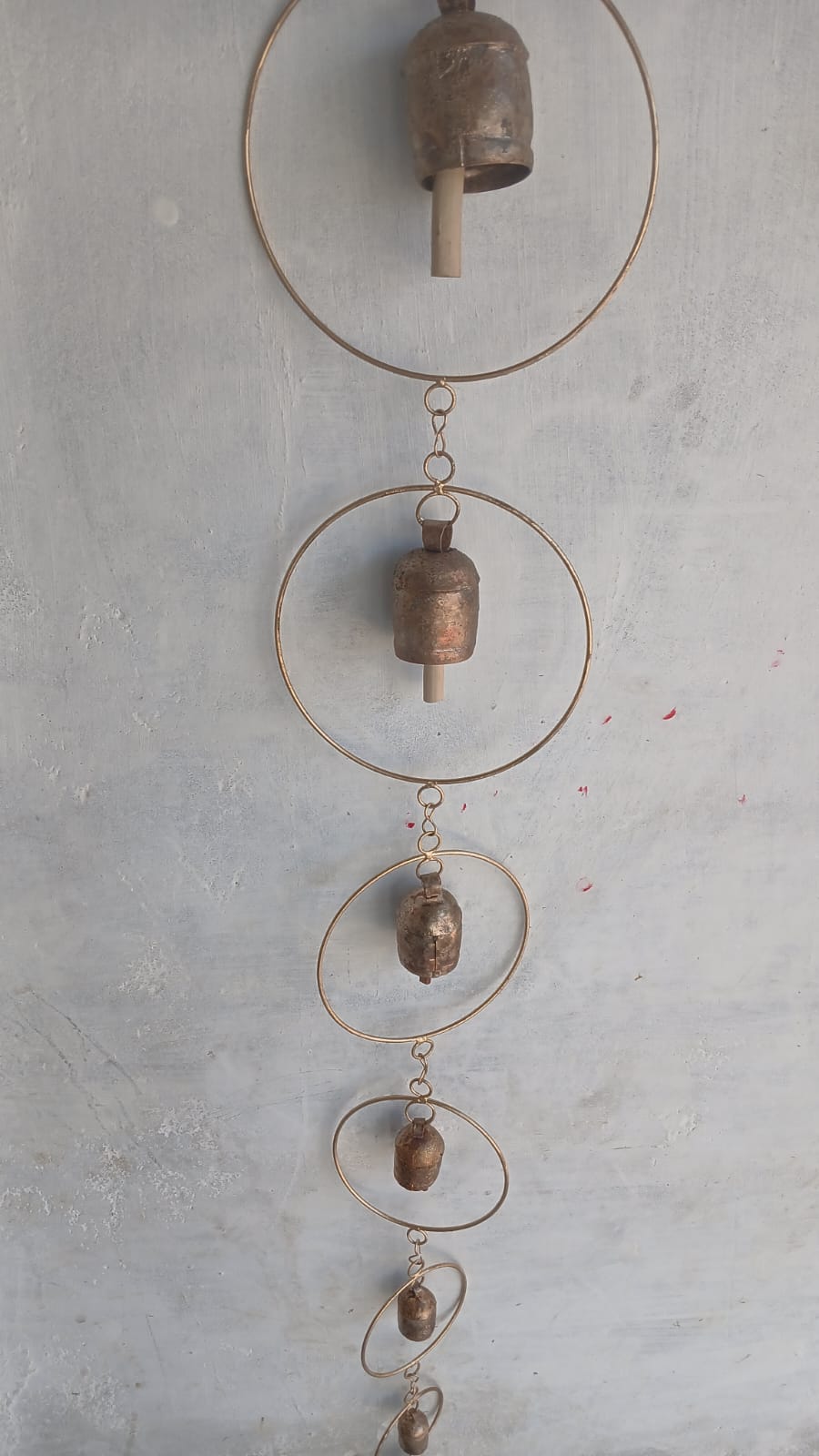
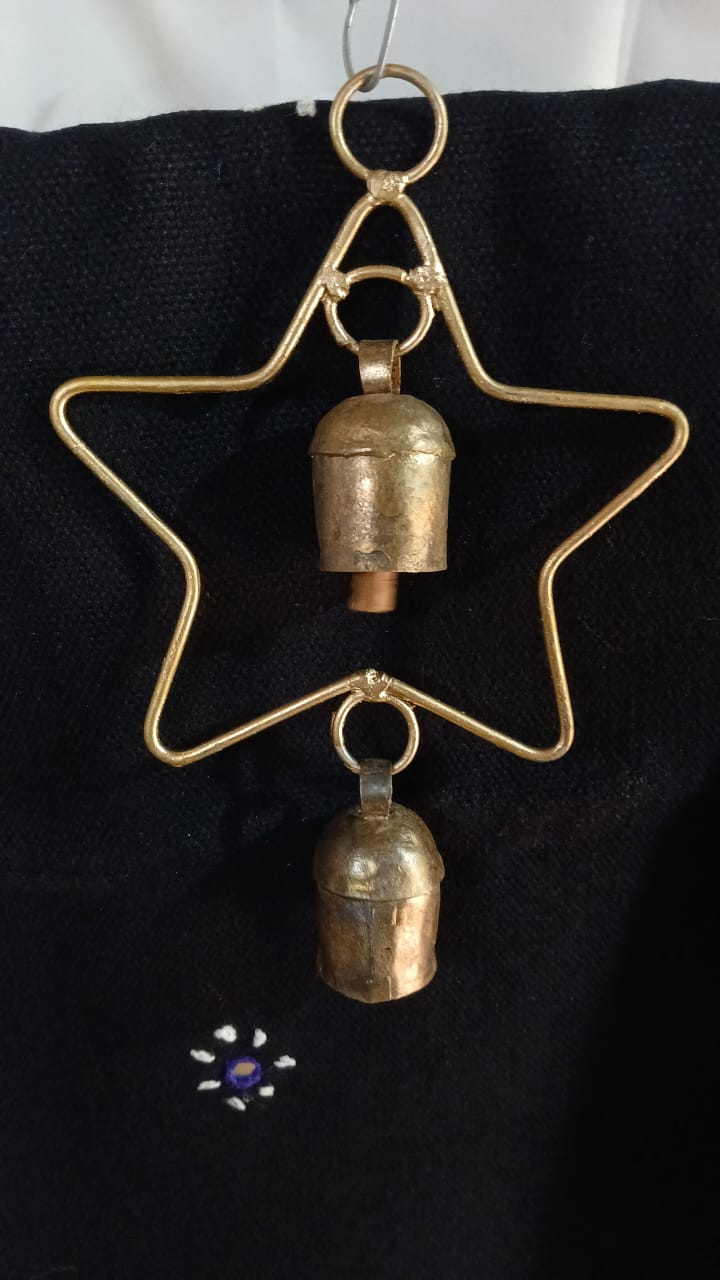
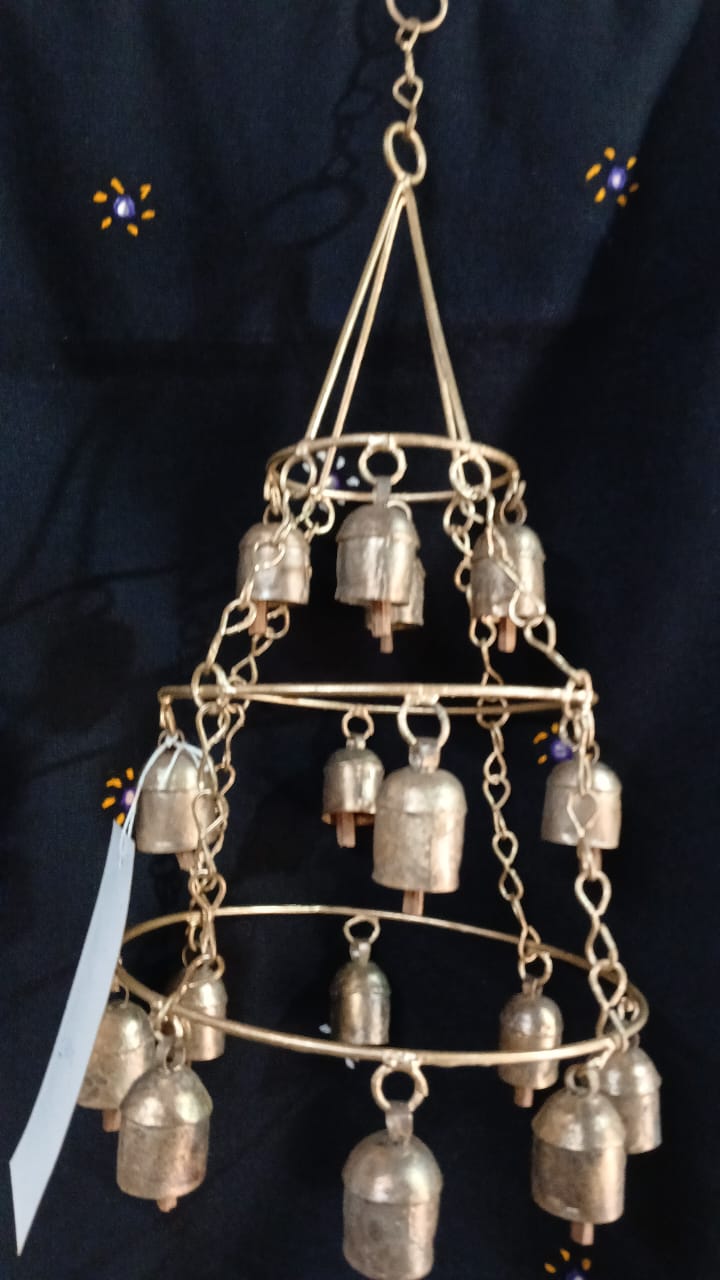
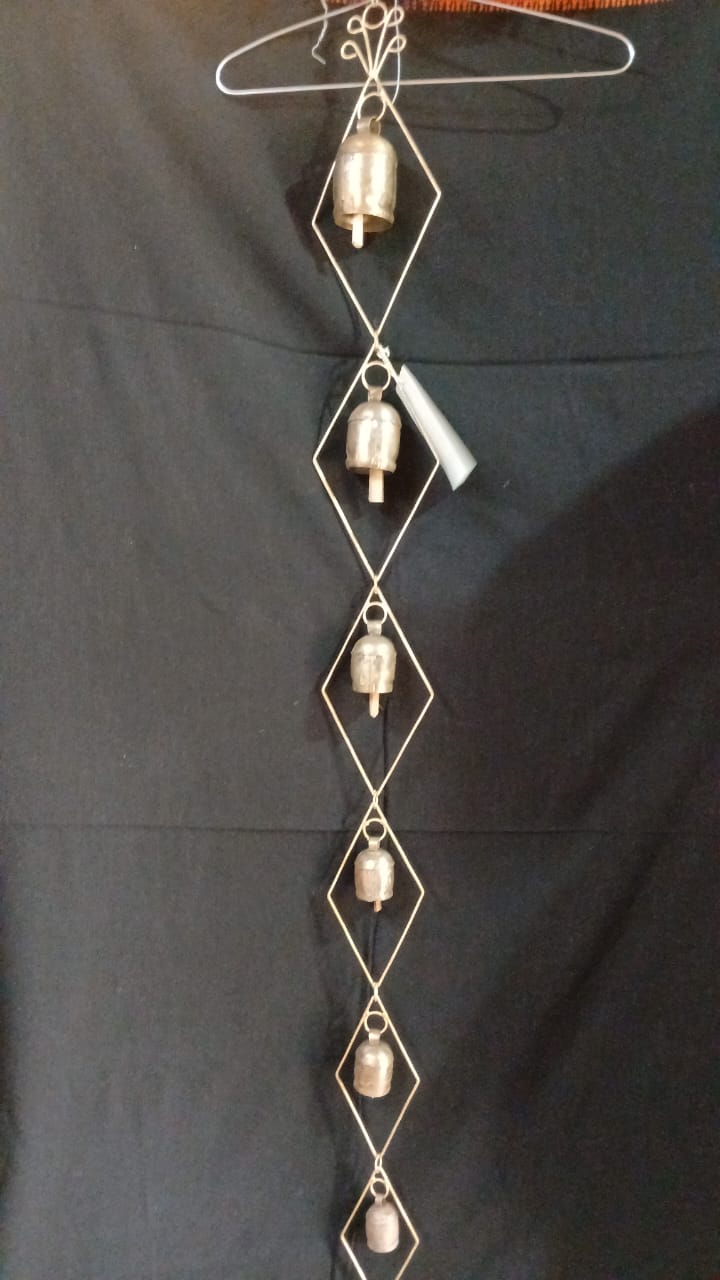
Used in wind chimes, wall hangings, or as standalone decorative pieces.
2. Spiritual and Religious Use:
Popular in temples and meditation spaces for their calming sound.
3. Musical Instruments:
Sometimes incorporated into folk music for their distinct tones.
4. Cultural Symbol:
These bells are treasured as symbols of Indian craftsmanship and cultural heritage.
Each bell thus hand made is unique, as no two bells are same. Hard labour passed onto from generation to generation goes into making of these traditional art form limited only to few last remaining artists families in the Kutch region. Buying of these art form is also in a way helping in the revival & preserverance of our old Indian folk art forms; as these artists kitchen stoves keep burning on our generous patronage alone.